
Your coffee bag does two jobs at once. It has to keep freshly roasted beans tasting the way you roasted them, and it has to sell those beans from a shelf, a market table or a product photo. Here's how to choose a custom coffee bag that does both.
Start with freshness: barrier and valve
Roasted coffee is sensitive to oxygen, moisture and light. A good coffee bag uses a multi-layer barrier film. A foil core, such as a PET/aluminium/PE construction, is the strongest barrier against all three.
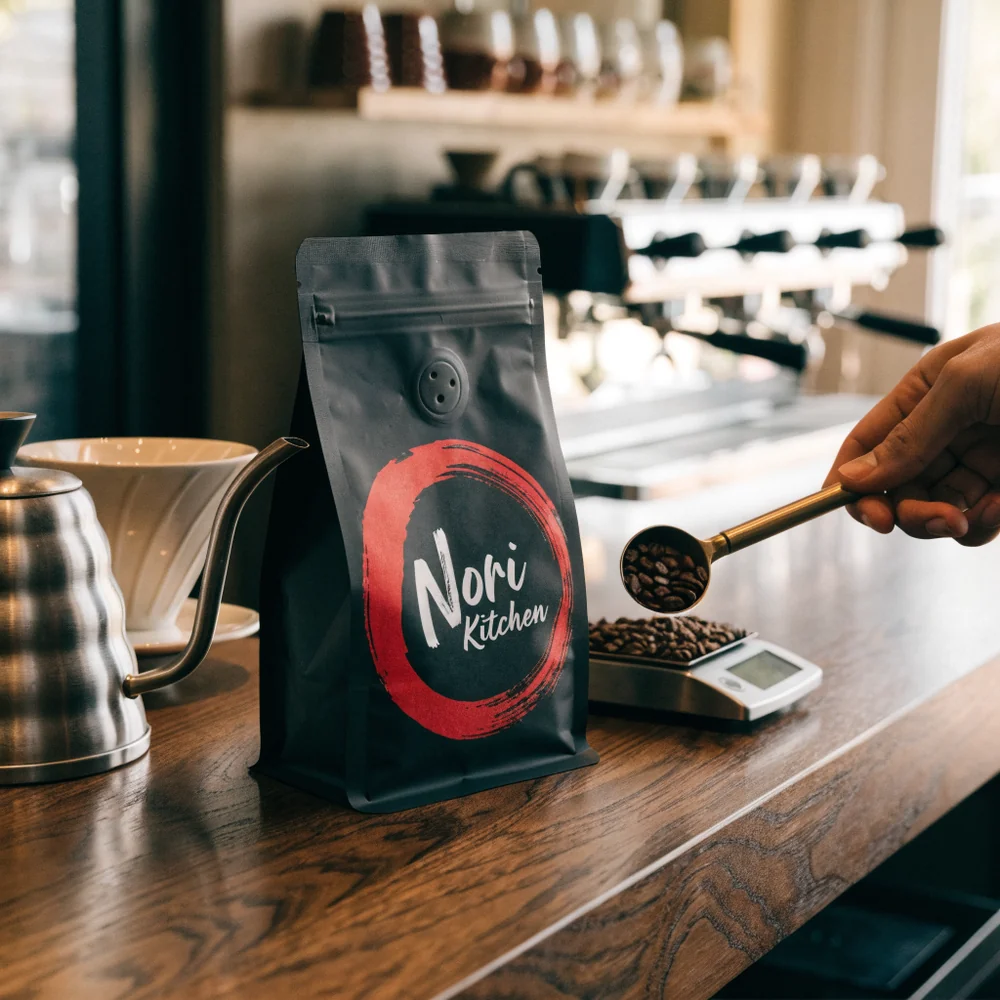
Freshly roasted beans also release carbon dioxide for days after roasting. Without somewhere for that gas to go, a sealed bag can puff up. That's what a one-way degassing valve is for: it lets CO2 out without letting air back in.
Rule of thumb:
- Whole beans packed soon after roasting: add a valve.
- Ground coffee or beans that have rested: a valve is optional, but many roasters keep it for consistency across their range.
Pick a bag style
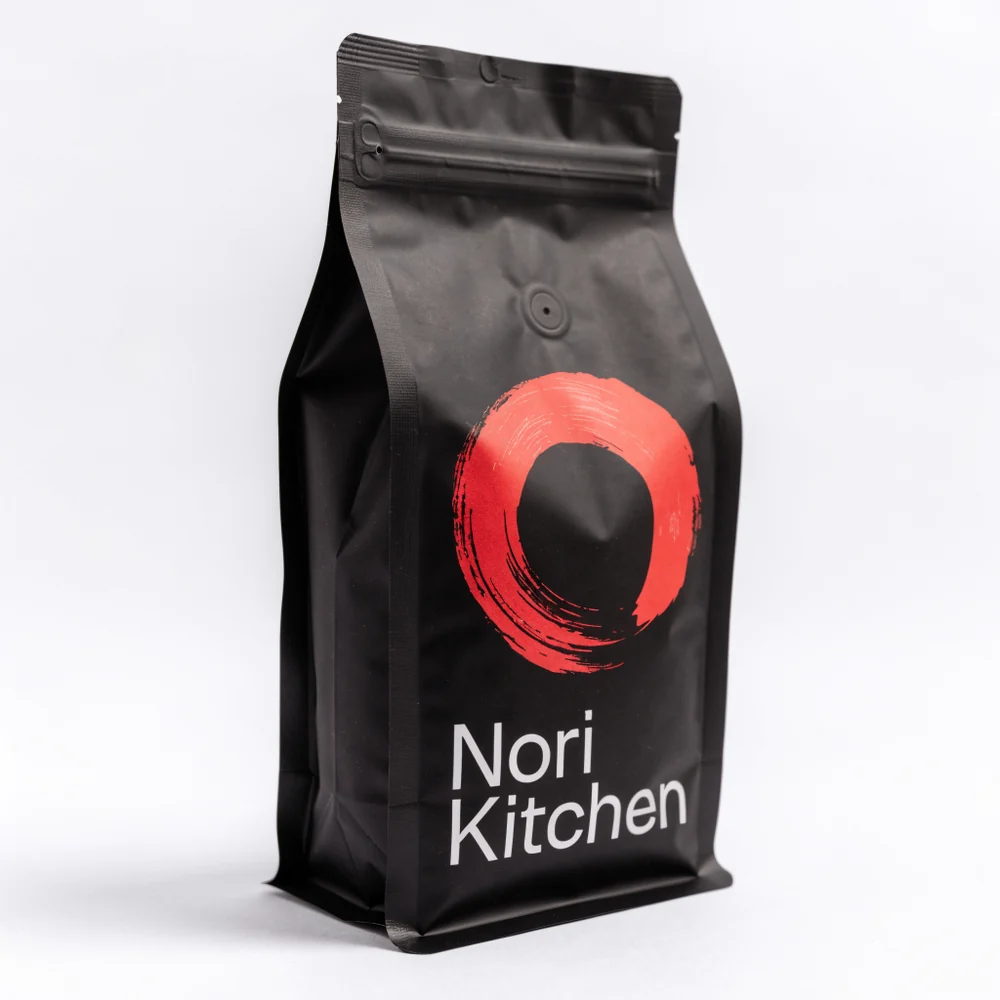
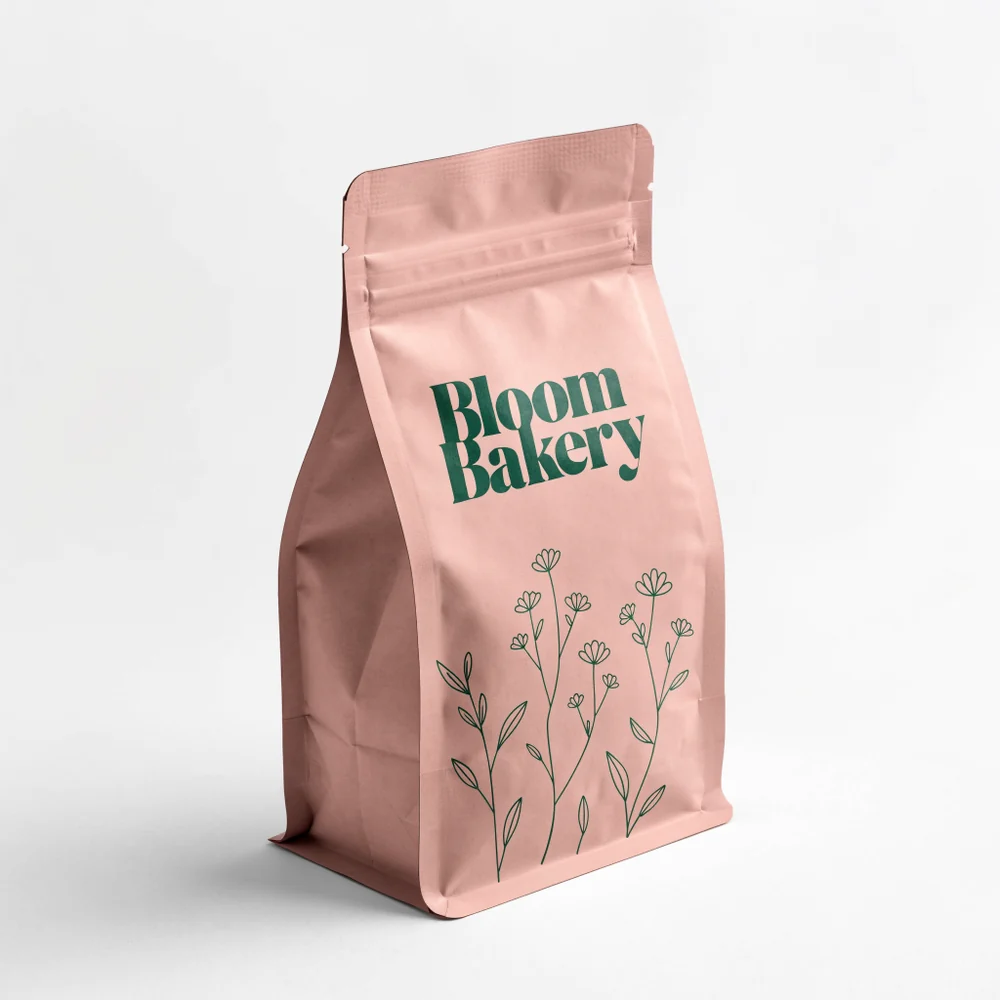
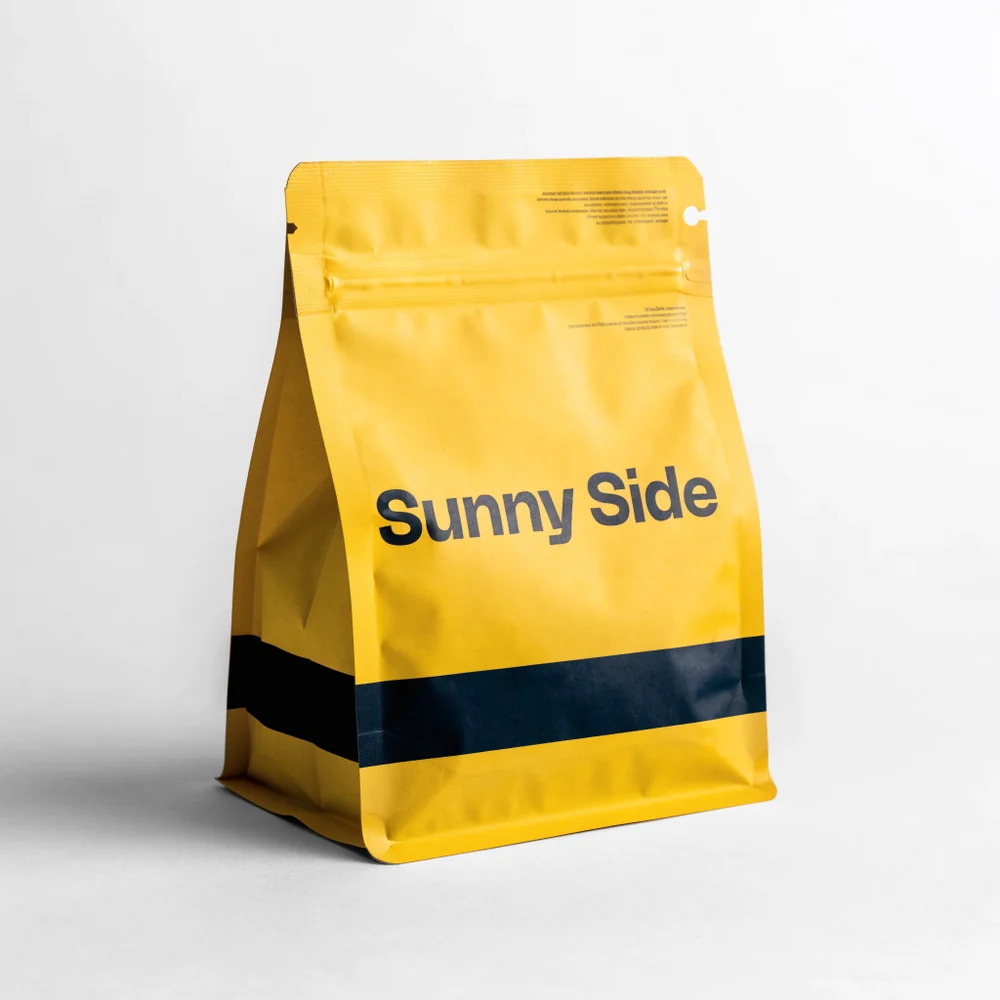
Stand-up pouches are the most common choice. They have a gusseted base so they stand on a shelf, a large flat front for your design, and they're economical to ship flat. Custom stand up pouches for coffee beans come in sample, 4–8 oz and 12–16 oz sizes.
Flat bottom pouches stand like a box, with five panels to print on. They look premium on a retail shelf and hold their shape well. See flat bottom pouches.
Foil-lined coffee bags with a valve and zipper are the all-rounder for specialty roasters. Our custom coffee bags run from 8 oz (250 g) up to 32 oz (1 kg).
Choose your sizes
Most roasters need two or three sizes:
| Size | Typical use |
|---|---|
| Sample (2–4 oz) | Tasting packs, subscriptions, wholesale samples |
| 8–12 oz (250–340 g) | The standard retail bag for single origins |
| 16 oz–1 kg | Blends, cafe and office customers, best-value bags |
Start with the size you sell the most of. You can add sample packs and bulk bags once your core bag is right.
Zipper or no zipper?
A reclosable zipper is worth it for retail. Customers open a 12 oz bag many times over a week or two, and a zipper keeps it fresh between brews. Wholesale and cafe bags that get emptied into a hopper straight away can skip it.
A hang hole (round or euro) lets shops display your bags on pegs. Only add one if you sell into stores that use peg displays.
Matte or glossy?
Matte reads as specialty and modern, and it photographs without glare. Glossy makes colours pop and suits bold, playful branding. Neither is better for freshness. Choose the one that fits your brand.
Design tips for coffee bags
- Make the origin or blend name easy to read. Shoppers scan for it first.
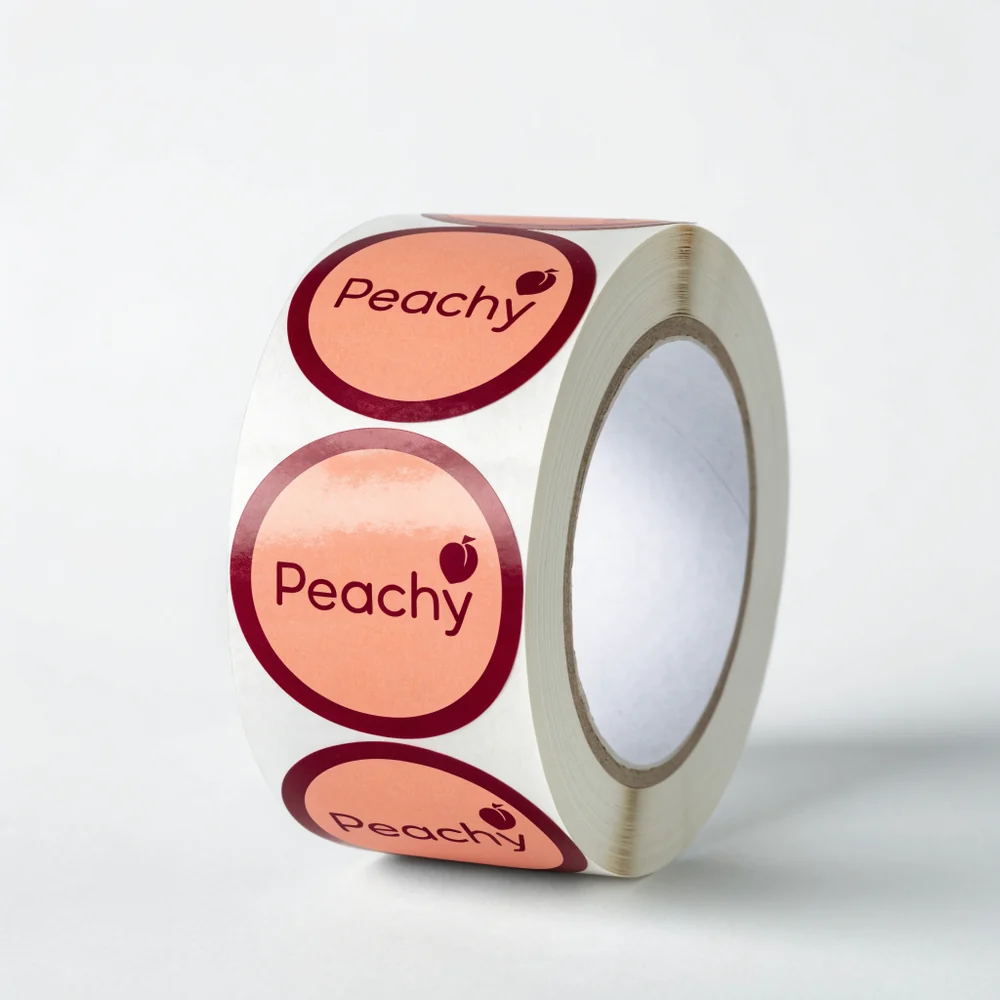
- Leave room for a label if you roast many coffees. Print one beautiful brand bag, then add a small roll label for origin, tasting notes and roast date. One bag design covers your whole menu.
- Print the roast date area clearly. Specialty buyers look for it.
- Keep the back panel simple: brewing tips, your story in two lines, and your website.
The one-design, many-coffees approach
Printing a different bag for every single origin quickly multiplies your minimums. Many roasters print one or two brand bags at volume and use labels for each coffee. It keeps your price per bag low, your branding consistent, and it lets you change the menu without reprinting.
The takeaway
Choose a barrier film and valve that protect your roast, a bag style and size that fit how you sell, and a design that makes your coffee easy to find. Then use labels to keep your range flexible. When you're ready, pick a bag, choose your size and options, and design it in the PakGenie studio.