

Customers increasingly care about what happens to packaging after they're done with it. But eco labels can be confusing, and choosing the "greenest" option on paper doesn't always mean the best outcome in practice. Here's a plain-English guide.
Recyclable: designed to be made into something new
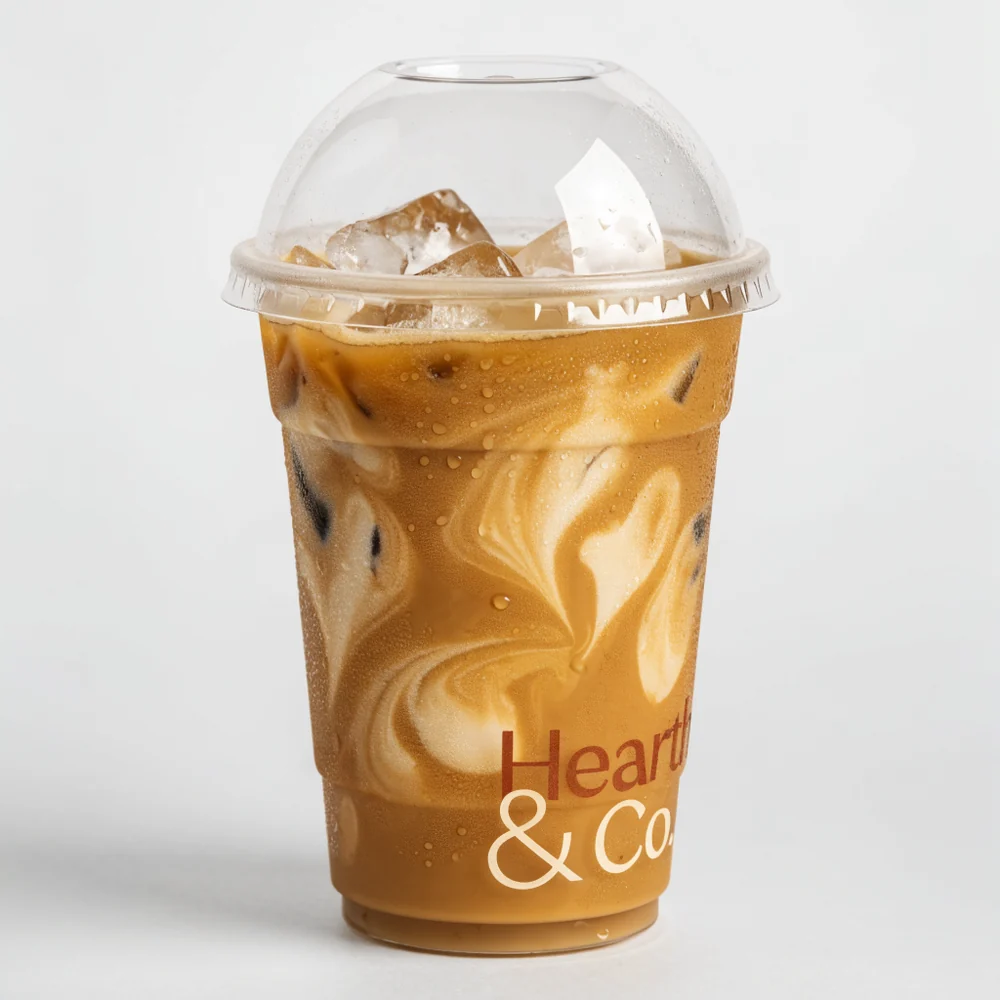
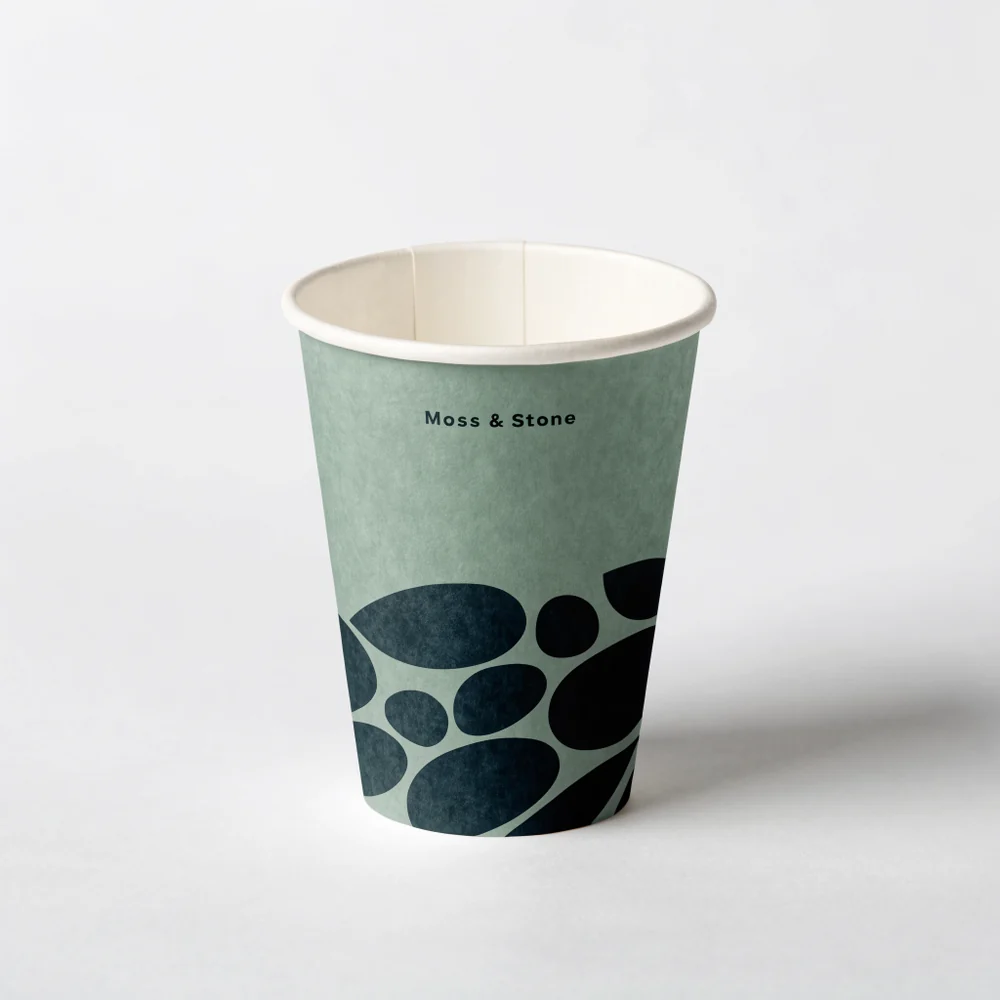
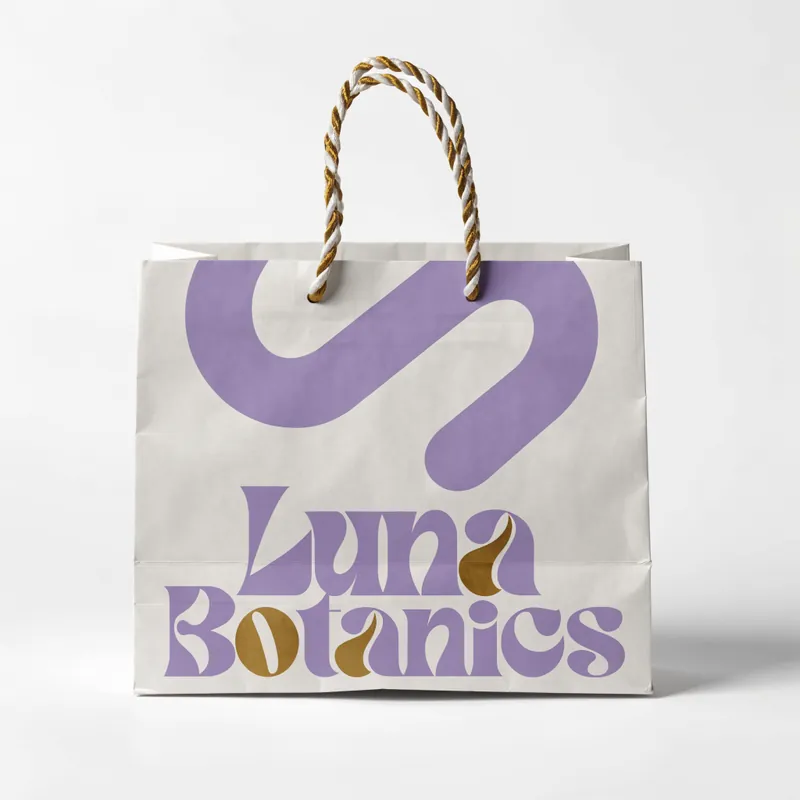
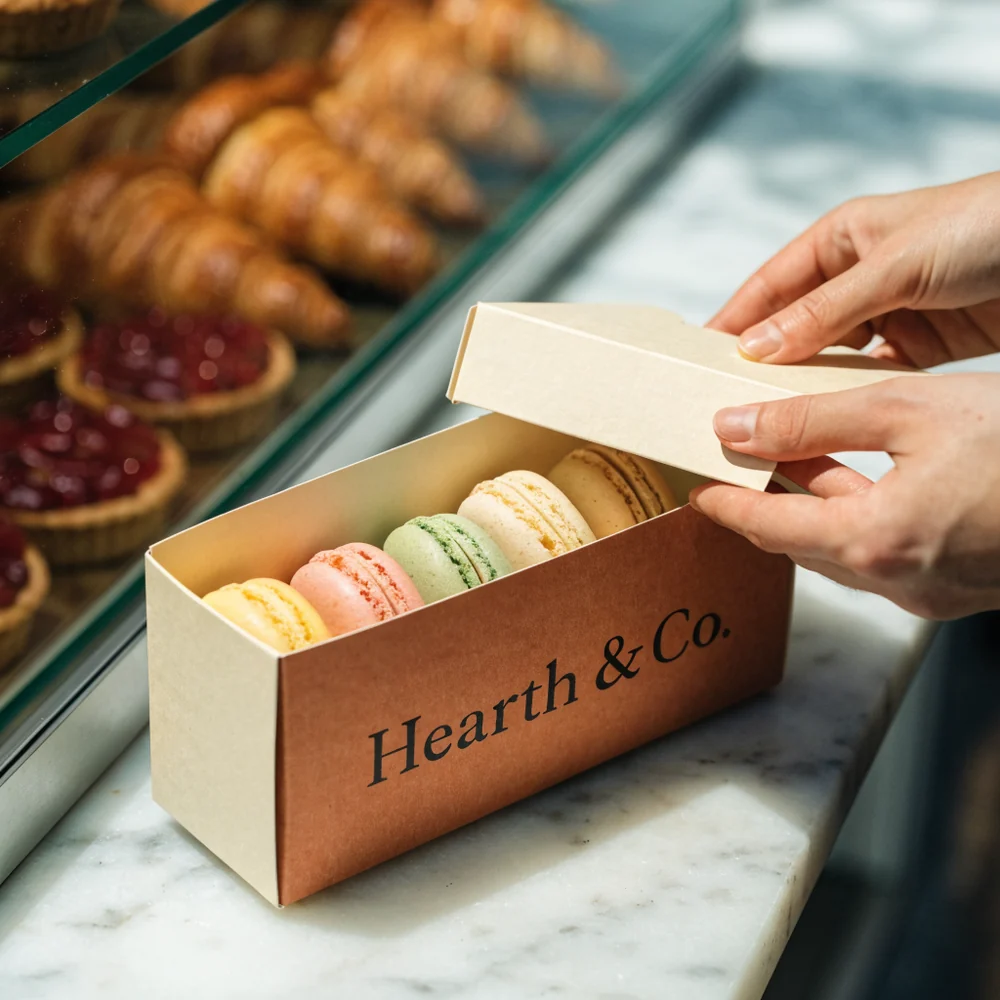
Recyclable packaging can be collected, processed and turned into new material. Paper bags, cardboard boxes and many plastic cups fall into this group.
The catch: recyclable only helps if it actually gets recycled. That depends on local collection and on the item being reasonably clean. A greasy pizza box or a cup with leftover drink may be rejected.
Best for: dry goods, retail bags, shipping boxes and cold cups in areas with good recycling services.
Compostable: designed to break down
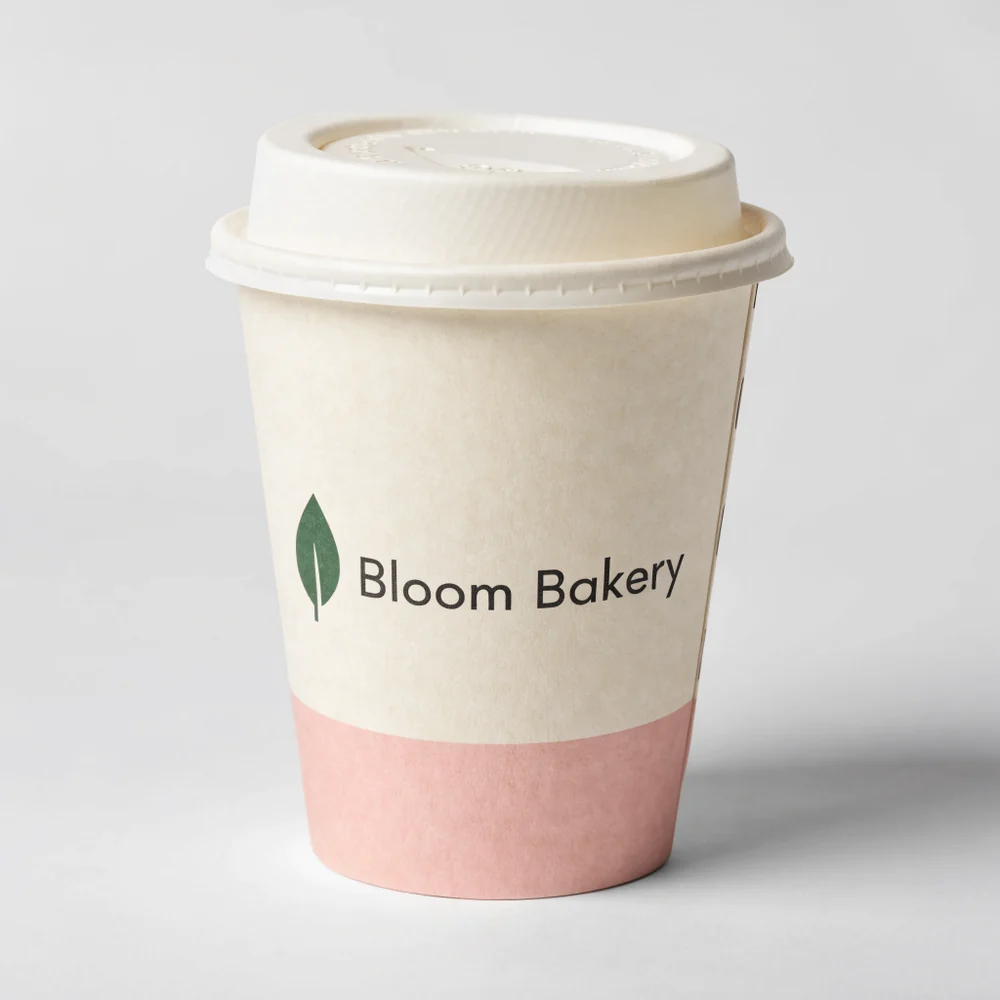
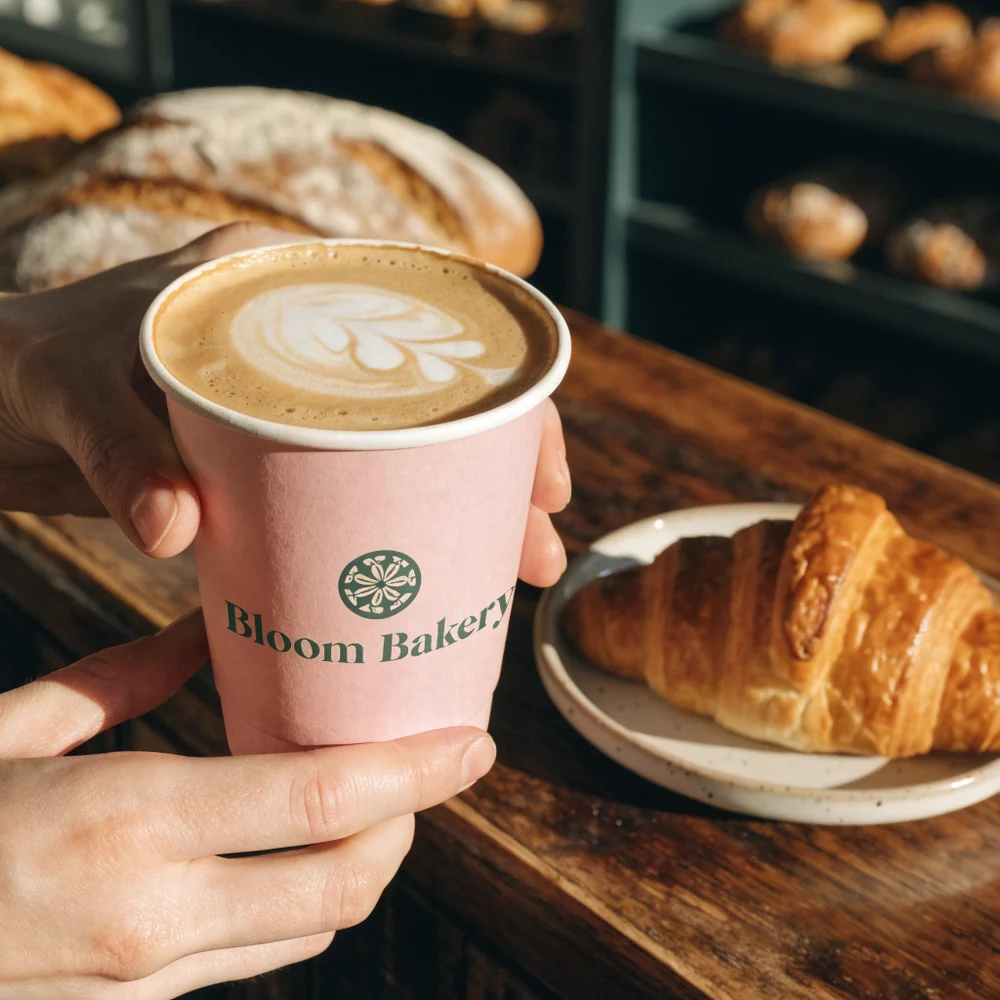
Compostable packaging breaks down into natural materials under composting conditions. Many compostable cups use PLA, a plant-based plastic made from crops like corn.
Important nuance: most compostable cups and containers are made for industrial composting, which runs hotter than a backyard compost pile. They break down well in those facilities but slowly in a home bin or landfill.
Best for: food service, especially where food scraps and packaging can go into the same compost stream, such as cafes, events and venues with organics collection.
So which should you choose?
| If you... | Consider |
|---|---|
| Sell takeaway drinks in a city with commercial composting | Compostable cups |
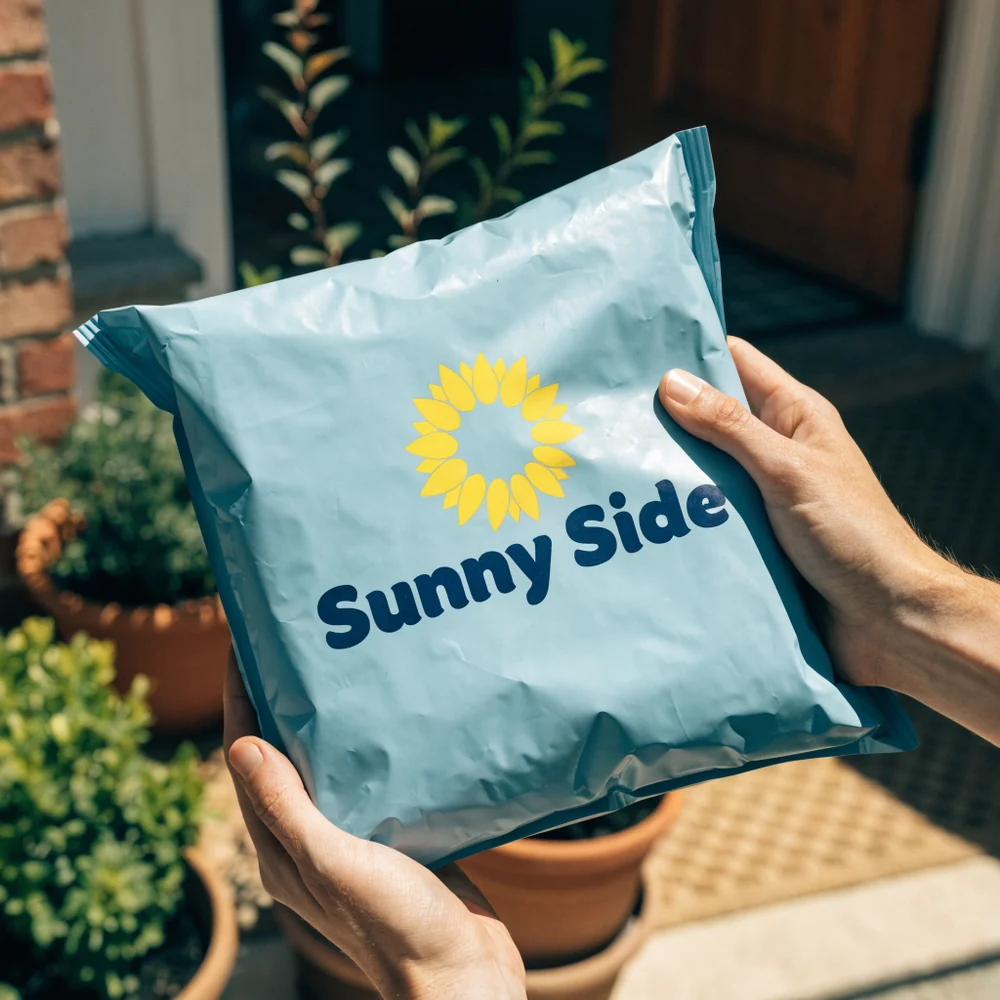
| Sell retail goods or ship products | Recyclable paper bags and boxes |
| Can't be sure where packaging ends up | Recyclable, clearly labelled |
| Run events with organics bins on site | Compostable cups and containers |
There's no single right answer. The best choice is the one your customers can actually dispose of properly where they live.
Simple ways to make any packaging greener
- Right-size it. Less empty space means less material and fewer broken items.
- Use fewer layers. A printed box may not need a separate sleeve, insert and bag.
- Print clear disposal instructions. "Recycle me" or "Commercially compostable" on the packaging helps customers do the right thing.
- Choose kraft and uncoated paper where possible. They're widely recyclable and look natural.
- Order the right quantity. Over-ordering packaging you never use is waste too.
Be honest in your claims
If you print environmental claims on your packaging, make sure they're specific and true. "Commercially compostable" is clearer and more accurate than a vague "eco-friendly". Customers trust brands that explain rather than exaggerate.
The takeaway
Recyclable and compostable packaging both have a place. Match the material to how your product is used and where it ends up, keep packaging simple, and tell customers how to dispose of it. Many PakGenie cups, bags and boxes come in compostable and recyclable versions, so you can choose the right fit for your business.